
Why the Jack the Ripper Case Still Matters
Example Post:
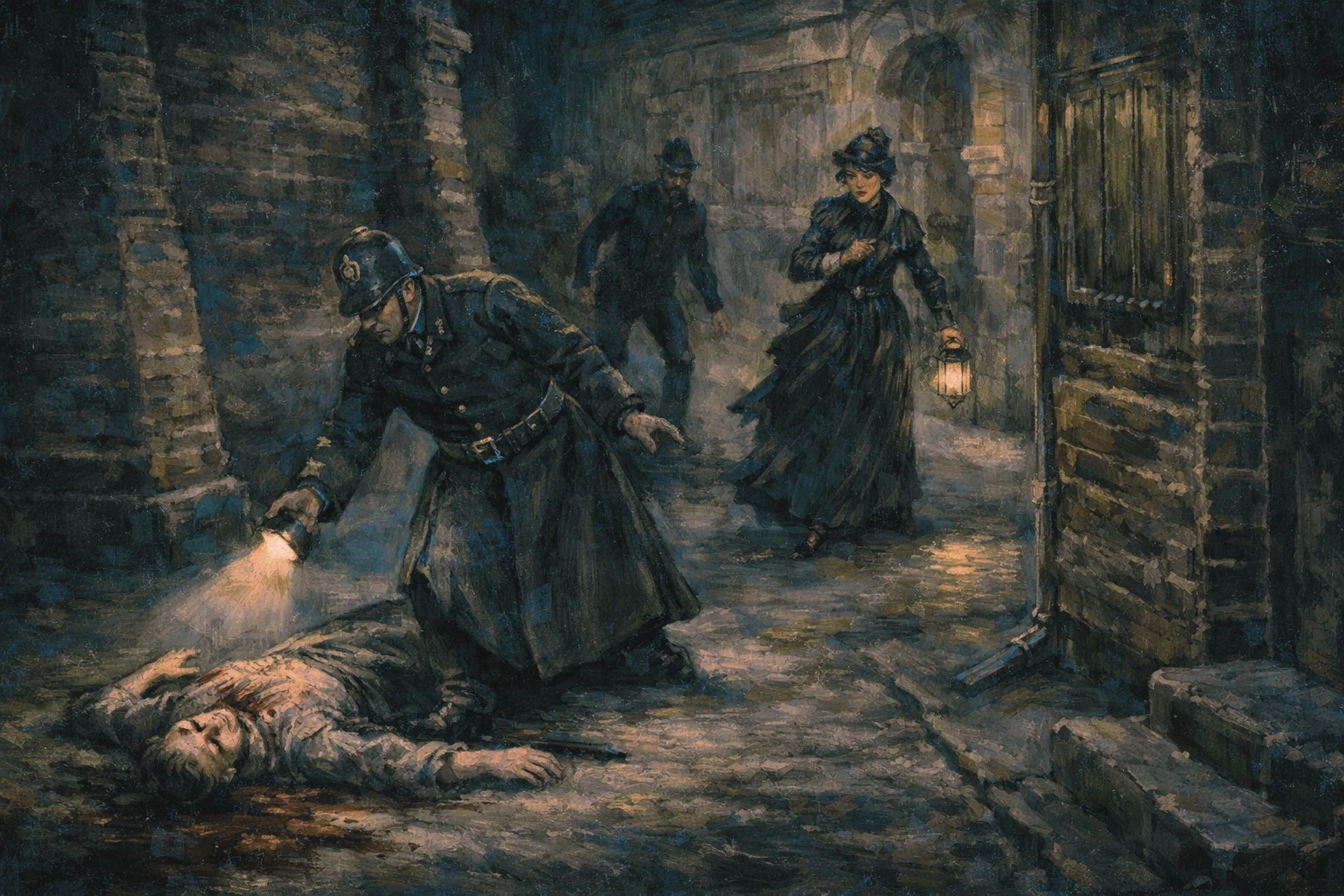
In the autumn of 1888, the streets of London’s East End became the stage for one of history’s most infamous unsolved crimes. The unknown killer later dubbed Jack the Ripper committed a series of murders in the Whitechapel district, vanishing without ever being identified.
More than a century later, the case still fascinates historians, writers, and readers alike—but its importance goes far beyond mystery and macabre curiosity.
First, the Jack the Ripper case represents a turning point in modern criminal investigation. The murders occurred at a time when forensic science was still in its infancy. Police relied largely on witness accounts, basic detective work, and public tips.
Today, historians and criminologists revisit the case to understand how investigative methods evolved and how modern techniques—such as DNA analysis and geographic profiling—might have changed the outcome.
Second, the story offers a window into the social conditions of Victorian London. Whitechapel in the late 19th century was a place of overcrowding, poverty, and social inequality. The victims were among the most vulnerable members of society—women living on the margins.
Examining the case helps illuminate the realities of urban life during the Industrial Age and the ways society treated those who were invisible to the powerful.
For writers – especially those of us drawn to historical and time-travel fiction – the case provides fertile ground for storytelling. The unanswered questions invite imagination.
What if a traveler from another era tried to solve the murders?
What hidden clues were overlooked?
Could a small change in the timeline have revealed the killer’s identity?
Because the mystery remains unresolved, the narrative possibilities are nearly endless.
Finally, the enduring interest in Jack the Ripper reminds us that history is not just a list of dates and events – it is full of human stories waiting to be explored. Each new generation reexamines the evidence, proposes theories, and reimagines the past.
In that sense, the case still matters today.
Not because of the killer’s notoriety, but because the mystery continues to inspire investigation, reflection, and storytelling across time.